Decking surface materials
Pressure-treated softwood, cedar, and wood-plastic composites each behave differently through wet springs and dry summers. Material choice sets the maintenance schedule for the next decade.
Deck & Patio Construction · Canada
Oak And Harvest documents how deck framing, decking material choices, and weatherproofing decisions hold up against freeze-thaw cycles, heavy snow loads, and intense summer UV. Reference material written for homeowners and trades who build for the long winter.

Core topics
Most premature deck failures in Canadian climates trace back to a handful of early choices. These are the areas the site covers in depth.
Pressure-treated softwood, cedar, and wood-plastic composites each behave differently through wet springs and dry summers. Material choice sets the maintenance schedule for the next decade.
Frost heave is the structural enemy north of the frost line. Footing depth, joist spacing, and ledger attachment determine whether a frame stays level after the ground moves.
Sealing end grain, flashing the ledger, and choosing the right finish protect both wood and fasteners from the moisture that drives rot and corrosion.
Articles
Detailed write-ups on the materials, structure, and finishing decisions behind a durable outdoor build.
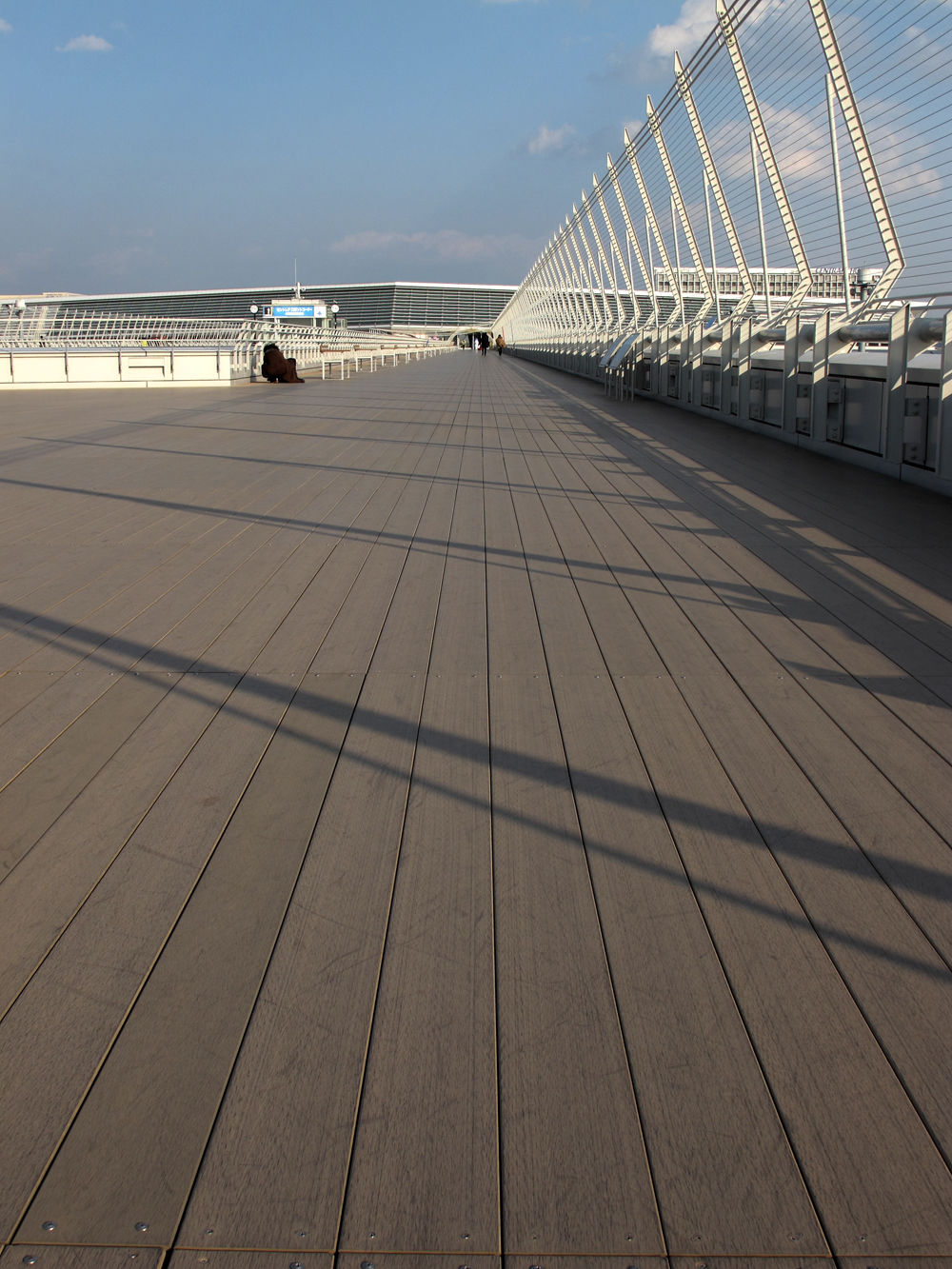
How pressure-treated lumber, cedar, and composite boards compare on cost, maintenance, and behaviour through freeze-thaw cycles.
Read article →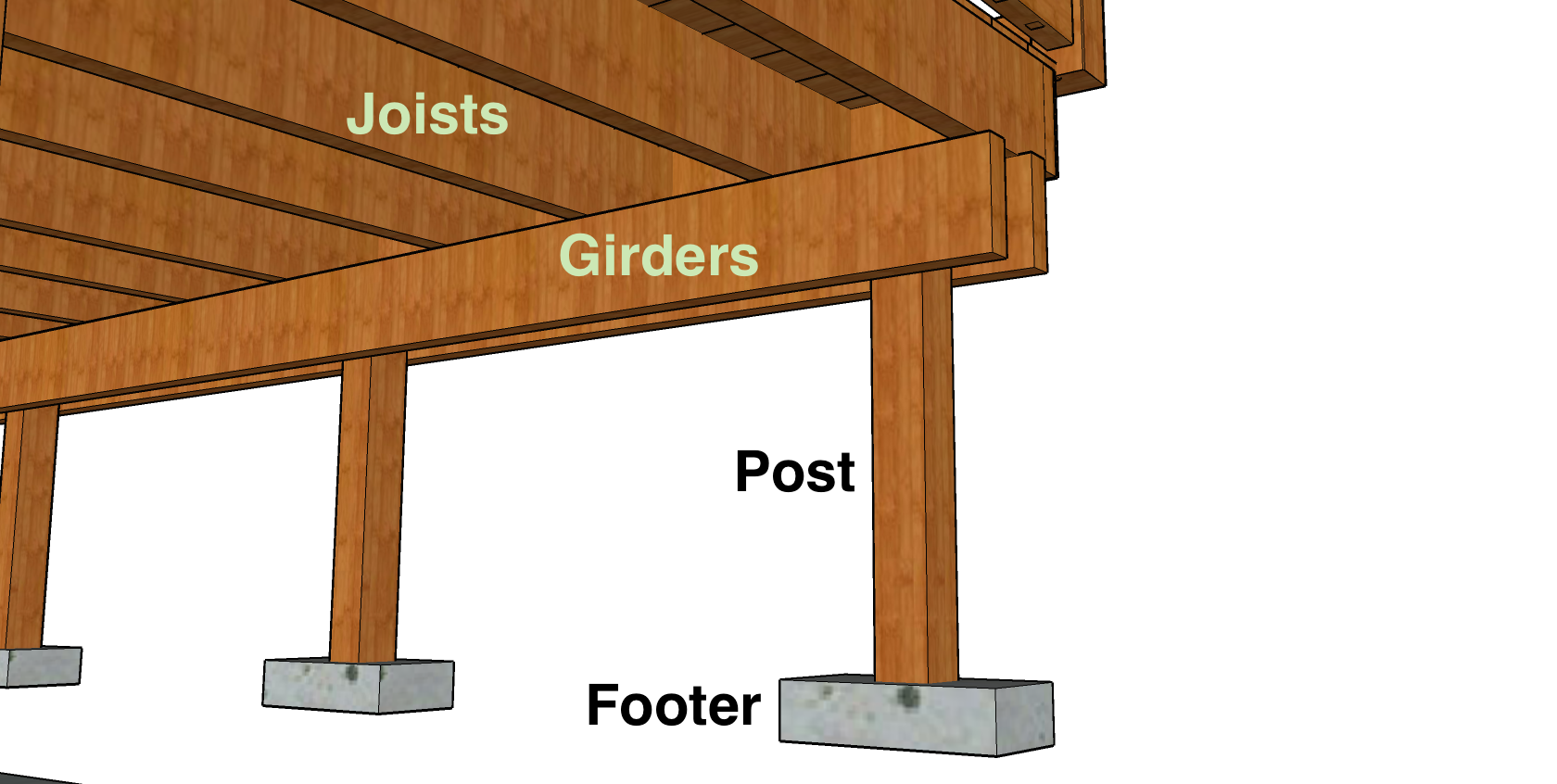
Frost line depth, footing types, joist spans, and ledger attachment, and why these details matter most where the ground freezes.
Read article →
Flashing, end-grain sealing, finish selection, and a seasonal maintenance rhythm built around the Canadian calendar.
Read article →Local context
Across much of Canada, the design frost depth ranges from roughly 1.2 metres in southern regions to deeper in northern zones, which is why footing depth is a code-driven decision rather than a preference. The exact figure is set by your local building authority.
Decks here move through extremes most materials are never tested against in a single year: saturated spring thaws, dry summer heat, and repeated overnight freezing in shoulder seasons. The articles treat that cycle as the baseline condition, not an edge case.

Contact
Use the form to send a general question about the reference material or to flag an error. This is an informational resource, so responses are not guaranteed and no construction advice is provided for specific projects.
Reference details
Oak And Harvest is an independent, non-commercial reference. The contact channel below is for editorial correspondence only.